
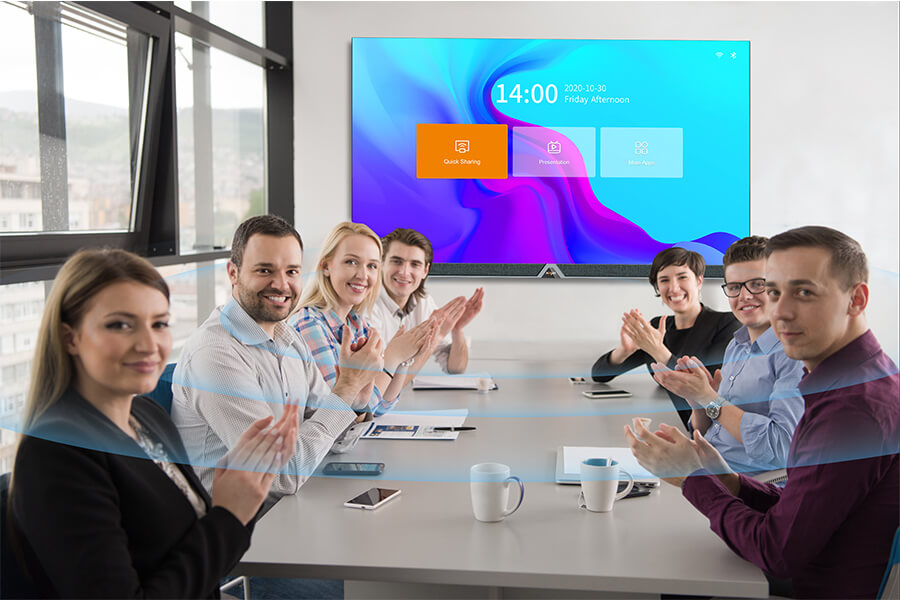
In recent years, Malaysia has witnessed a significant shift in communication methods, with video conferencing in Malaysia emerging as a central pillar of digital transformation. As organisations accelerate their adoption of cloud technology, hybrid working models and digital collaboration tools, video conferencing has become far more than a convenience — it is now a strategic business necessity.
From multinational corporations in Kuala Lumpur to SMEs in Penang and Johor Bahru, Malaysian companies are leveraging virtual meeting platforms to enhance efficiency, reduce operational costs and maintain seamless communication across borders. In an increasingly connected global economy, the ability to host secure, high-quality online meetings is no longer optional; it is essential for competitiveness and growth.
Why Video Conferencing in Malaysia Has Become Essential
Malaysia’s rapid digital adoption, supported by improved broadband infrastructure and government-led digital initiatives, has fuelled the growth of virtual communication platforms. High-speed fibre connectivity and widespread mobile internet access have made HD video meetings accessible across urban and semi-urban regions.
Today, video conferencing solutions are used for:
Internal team meetings
Client presentations
Cross-border negotiations
Remote technical support
Virtual town halls
Online recruitment interviews
Investor briefings
The shift towards hybrid work arrangements has further increased demand for enterprise-grade conferencing systems. Businesses now require reliable platforms that integrate with project management tools, cloud storage, CRM systems and unified communications software.
As a result, video conferencing in Malaysia has evolved from basic webcam calls into a fully integrated digital collaboration ecosystem.
Breaking Barriers: Overcoming Distance and Time
raditionally, conducting meetings across Malaysia — especially between East and West Malaysia — involved significant travel costs and time commitments. Flights, accommodation and scheduling logistics often delayed decision-making and increased overheads.
Video conferencing eliminates these challenges by enabling real-time communication regardless of geographical location. Whether connecting teams in Kuala Lumpur, Kota Kinabalu or international offices abroad, virtual meeting platforms ensure immediate collaboration.
For businesses, this translates into:
Reduced travel expenses
Faster project turnaround
Improved stakeholder engagement
Greater agility in decision-making
Malaysian SMEs, in particular, benefit from the ability to engage global partners without the financial burden of international travel. This democratisation of communication technology levels the playing field, allowing local businesses to compete on a global stage.
Enhancing Productivity and Collaboration
Effective communication lies at the heart of organisational success. Modern video conferencing platforms provide far more than simple face-to-face interaction. Advanced features such as:
Screen sharing
Digital whiteboards
Real-time document collaboration
Meeting recording
Breakout rooms
Live chat and polling
create dynamic and interactive meeting environments.
These capabilities improve clarity, reduce misunderstandings and encourage active participation. Unlike traditional conference calls, video meetings allow participants to interpret non-verbal cues such as facial expressions and body language, which are critical for building trust and rapport.
For Malaysian businesses operating in multicultural environments, this visual interaction is particularly valuable. It strengthens cross-cultural communication and ensures alignment between teams, partners and clients.
Furthermore, recorded meetings allow absent team members to catch up efficiently, improving knowledge retention and accountability.
Supporting Hybrid Work and Remote Teams
The modern workplace in Malaysia has shifted dramatically towards hybrid and remote models. Employees now expect flexibility, and organisations must provide the tools to support distributed teams.
Video conferencing plays a central role in:
Remote workforce management
Daily stand-up meetings
Performance reviews
Virtual onboarding
Cross-department collaboration
Integrated with cloud-based productivity tools, video platforms enable seamless workflow continuity. Managers can monitor project progress, maintain team morale and conduct strategy sessions without requiring physical office presence.
For companies implementing flexible work policies, investing in professional video conferencing equipment — such as HD cameras, noise-cancelling microphones and smart conference room systems — ensures consistent communication quality and a professional corporate image.
Expanding the Reach of Education and Training
Beyond corporate applications, video conferencing in Malaysia has transformed the education and professional training landscape. Schools, universities and training centres now utilise virtual classrooms to extend learning beyond physical campuses.
Students in rural or remote areas can access quality instruction without relocating. Universities conduct hybrid lectures, online tutorials and guest speaker sessions with international experts.
For working professionals, online workshops, webinars and certification programmes provide convenient upskilling opportunities. This is particularly important in sectors such as finance, technology and healthcare, where continuous professional development is essential.
Video conferencing also enables corporate training sessions, product demonstrations and compliance briefings, ensuring that employees remain informed and competent regardless of their location.
Security and Compliance Considerations
As digital communication expands, cybersecurity becomes increasingly critical. Malaysian businesses must ensure that their video conferencing platforms offer:
End-to-end encryption
Secure user authentication
Waiting room controls
Data protection compliance
Role-based access permissions
With the enforcement of Malaysia’s Personal Data Protection Act (PDPA), organisations are responsible for safeguarding sensitive information shared during virtual meetings.
Choosing enterprise-grade solutions with robust security protocols helps mitigate risks such as unauthorised access, data breaches and cyber threats. IT departments are therefore prioritising secure conferencing infrastructure as part of broader digital transformation strategies.
Industry Applications of Video Conferencing in Malaysia
The adoption of video conferencing spans multiple industries:
Corporate & Finance
Banks and financial institutions conduct remote consultations, investor meetings and compliance reviews securely.
Healthcare
Telemedicine services allow doctors to consult patients virtually, improving accessibility and reducing hospital congestion.
Legal Sector
Law firms hold virtual consultations and cross-border discussions with clients and partners.
Manufacturing & Engineering
Technical teams collaborate on design reviews, virtual inspections and international supplier coordination.
Government & Public Sector
Agencies host digital briefings, interdepartmental meetings and public engagement sessions.
This wide-ranging adoption demonstrates how video conferencing has become embedded in Malaysia’s operational infrastructure.
Choosing the Right Video Conferencing Solution
When evaluating video conferencing solutions in Malaysia, businesses should consider:
Scalability for future growth
Integration with existing IT systems
High-definition audio and video quality
Cloud or on-premise deployment options
Technical support and maintenance services
Network optimisation capabilities
Reliable internet connectivity is equally important. Organisations may require bandwidth management solutions and professional installation services to ensure consistent performance during high-traffic usage.
Partnering with experienced audio-visual system integrators can help businesses design customised conferencing rooms equipped with smart displays, ceiling microphones and automated camera tracking.
The Future of Video Conferencing in Malaysia
Looking ahead, emerging technologies will further enhance virtual communication experiences.
Artificial Intelligence (AI) is already introducing:
Automatic meeting transcription
Real-time language translation
Smart background noise suppression
Intelligent meeting summaries
Machine learning algorithms will continue to improve video clarity and audio optimisation, even in lower bandwidth environments.
Meanwhile, the integration of virtual reality (VR) and augmented reality (AR) promises immersive meeting environments where participants interact within 3D digital spaces. Such innovations could redefine remote collaboration for industries such as architecture, engineering and design.
With Malaysia positioning itself as a regional digital hub, continued investment in smart infrastructure and 5G connectivity will accelerate the evolution of video conferencing capabilities.
Conclusion
The rise of video conferencing in Malaysia reflects the nation’s broader digital transformation journey. What began as a practical solution for remote communication has evolved into a critical business infrastructure supporting productivity, collaboration and innovation.
By overcoming geographical barriers, reducing operational costs and enabling hybrid work models, video conferencing empowers Malaysian organisations to operate efficiently in a globalised economy. Its impact extends beyond business, transforming education, healthcare and public services.
As technology advances and digital adoption deepens, video conferencing will continue to shape the future of communication in Malaysia — ensuring that collaboration remains seamless, secure and forward-thinking in an increasingly interconnected world.
Frequently Asked Questions About Video Conferencing in Malaysia
1. What is video conferencing?
Video conferencing is a technology that allows individuals or groups in different locations to hold face-to-face meetings without having to move to a single location physically. It involves the use of audio and video communication tools over the internet.
2. Which video conferencing platforms are popular in Malaysia?
Popular video conferencing platforms in Malaysia include Zoom, Microsoft Teams, Google Meet, Cisco Webex, and Skype.
3. Is video conferencing widely used in Malaysia?
Yes, video conferencing has become widely used in Malaysia, especially for business meetings, education, and virtual events. The COVID-19 pandemic has accelerated the adoption of video conferencing as a means of communication.
4. What are the key features to look for in a video conferencing platform?
Important features include high-quality video and audio, screen sharing, chat functionality, ease of use, security features, and compatibility with various devices and operating systems.
5. Are there any security concerns with video conferencing in Malaysia?
Security is a concern in any online communication. It’s important to choose platforms with strong security measures, such as end-to-end encryption, password protection, and secure meeting links. Users should also be cautious about sharing sensitive information during video conferences.
6. Can video conferencing be used for large events and webinars in Malaysia?
Yes, many video conferencing platforms support large-scale events and webinars. These platforms often have features like participant controls, Q&A sessions, and audience engagement tools to facilitate virtual events.
7. What are the internet requirements for smooth video conferencing in Malaysia?
A stable and high-speed internet connection is crucial for a smooth video conferencing experience. A minimum upload and download speed of 1 Mbps is recommended, but higher speeds are preferable for better video and audio quality.
8. Is video conferencing suitable for remote work in Malaysia?
Yes, video conferencing has become an essential tool for remote work in Malaysia. It allows teams to collaborate effectively, conduct virtual meetings, and stay connected despite physical distance.
9. Are there any regulations regarding video conferencing in Malaysia?
As of my last knowledge update in January 2022, there were no specific regulations regarding video conferencing in Malaysia. However, it’s essential to stay informed about any updates or changes in regulations related to online communication.
10. How can I troubleshoot common issues during video conferences in Malaysia?
Common troubleshooting steps include checking your internet connection, updating your video conferencing software, adjusting audio and video settings, and restarting your device. If issues persist, contacting the platform’s support team or referring to online resources for troubleshooting tips may be helpful.

